


What Does a Medical Courier Do? A Real World Look Inside the Role

This question is asked more often than many people realize.
Unfortunately, many explanations available online are overly simplified or excessively polished, which can obscure the true scope of the role.
A medical courier does far more than transport packages from one location to another. Within healthcare logistics, that distinction is critical. In some cases, it directly affects operational efficiency, regulatory compliance, and patient outcomes.
This guide explains what a medical courier actually does, how the role integrates into healthcare operations, and why clinics, laboratories, and hospitals rely on these services every day.
No exaggeration. No shortcuts. Just a clear look at how medical courier services function in real-world healthcare environments.

What Does a Medical Courier Do?
At its most basic level, a medical courier transports healthcare-related materials between medical facilities.
However, the role extends well beyond driving.
The primary responsibility of a medical courier is accountability. Medical couriers handle items that directly influence diagnosis, treatment decisions, and patient safety. These materials commonly include laboratory specimens, blood samples, prescription medications, medical records, and specialized clinical supplies.
When a medical courier performs their duties correctly, the process is seamless and rarely noticed. When an error occurs, the consequences are immediate and highly visible.
Medical Courier Defined Beyond Driving
A medical courier is a trained professional responsible for handling regulated, time-sensitive healthcare materials.
Confusion often arises because medical couriers are grouped with standard delivery services. The distinction is important. Traditional couriers prioritize speed and volume. Medical couriers prioritize precision, compliance, documentation, and timing.
Medical courier operations are structured around healthcare workflows, including laboratory cutoff times, clinic operating hours, and hospital intake schedules. Routes and procedures are designed to support these constraints.
The role is significantly more complex than it may appear from the outside.
Day-to-Day Responsibilities of a Medical Courier
A typical medical courier day involves servicing multiple healthcare facilities along a defined route. These may include hospitals, physician offices, diagnostic laboratories, pharmacies, and outpatient clinics.
A standard delivery cycle generally follows this process:
First, the courier reviews pickup instructions, which often specify time sensitivity, handling requirements, and packaging guidelines.
At pickup, the courier verifies documentation and packaging accuracy. This step is essential, as missing labels or incomplete paperwork can delay laboratory processing or invalidate specimens.
During transport, items are secured in approved containers, and temperature or environmental requirements are maintained as required.
Finally, deliveries are completed with documented proof of delivery, including timestamps and recipient confirmation.
In medical logistics, accurate documentation carries equal importance to delivery speed.
Types of Deliveries Medical Couriers Handle
Medical courier deliveries vary depending on facility type and urgency.
Lab Specimen Transport
Transporting laboratory specimens is one of the most common medical courier responsibilities. Blood, urine, and tissue samples must arrive at laboratories within defined timeframes to remain viable.
Delays in specimen transport often result in retesting, appointment rescheduling, and patient dissatisfaction, creating operational inefficiencies throughout the healthcare system.
Pharmaceutical and Medication Deliveries
Medical couriers frequently transport prescription medications, compounded pharmaceuticals, and specialty drugs.
Many medications require temperature-controlled transport or enhanced security protocols. Precision and attention to handling requirements are essential.
Medical Records and Confidential Documents
Medical couriers also transport protected health information, including patient records, diagnostic imaging media, and sensitive documentation.
HIPAA-related privacy requirements influence how these materials are packaged, transported, and documented.
Medical Equipment and Supplies
Couriers may deliver diagnostic devices, surgical kits, or essential medical supplies between facilities. These deliveries often support same-day procedures and time-critical care.
STAT, Scheduled, and On-Demand Medical Deliveries
Medical courier services typically operate under three primary delivery models.
STAT Medical Courier Services
STAT deliveries are urgent and time-critical, often required within hours. These may include emergency specimens or essential medications needed for immediate patient care.
Delays in STAT deliveries can directly affect clinical decision-making.
Scheduled Route Deliveries
Many laboratories and clinics rely on scheduled daily routes. Couriers adhere to fixed pickup and delivery times aligned with laboratory processing schedules.
Scheduled routes form the operational backbone of most medical courier programs.
On-Demand Medical Deliveries
On-demand services provide flexibility for unexpected or non-routine needs. Clinics use these services without maintaining in-house drivers, allowing rapid response when circumstances change.
Each delivery model requires a distinct operational approach, reinforcing the importance of experience in medical courier services.
Compliance and Regulations Medical Couriers Follow
Compliance is a non-negotiable component of medical courier operations.
Medical couriers typically receive training in HIPAA privacy standards, biohazard awareness, and proper specimen handling procedures. They are expected to understand:
- Protection of patient information
- Handling of biohazard-labeled materials
- Incident and spill response protocols
- Chain-of-custody documentation
Organizations that neglect compliance often encounter operational and regulatory issues. A professional medical courier service integrates compliance into daily workflows rather than treating it as a secondary concern.
Technology Used in Medical Courier Workflows
Technology plays a significant role in modern medical courier operations.
Courier teams commonly use route optimization software, GPS tracking, and electronic proof-of-delivery systems. These tools provide real-time visibility and accountability for healthcare facilities and dispatch teams.
Temperature-controlled containers and monitoring devices are also used for transporting sensitive specimens and medications.
Technology enhances reliability but does not replace training. It functions as a support system within a disciplined operational framework.
Skills and Training Required for Medical Couriers
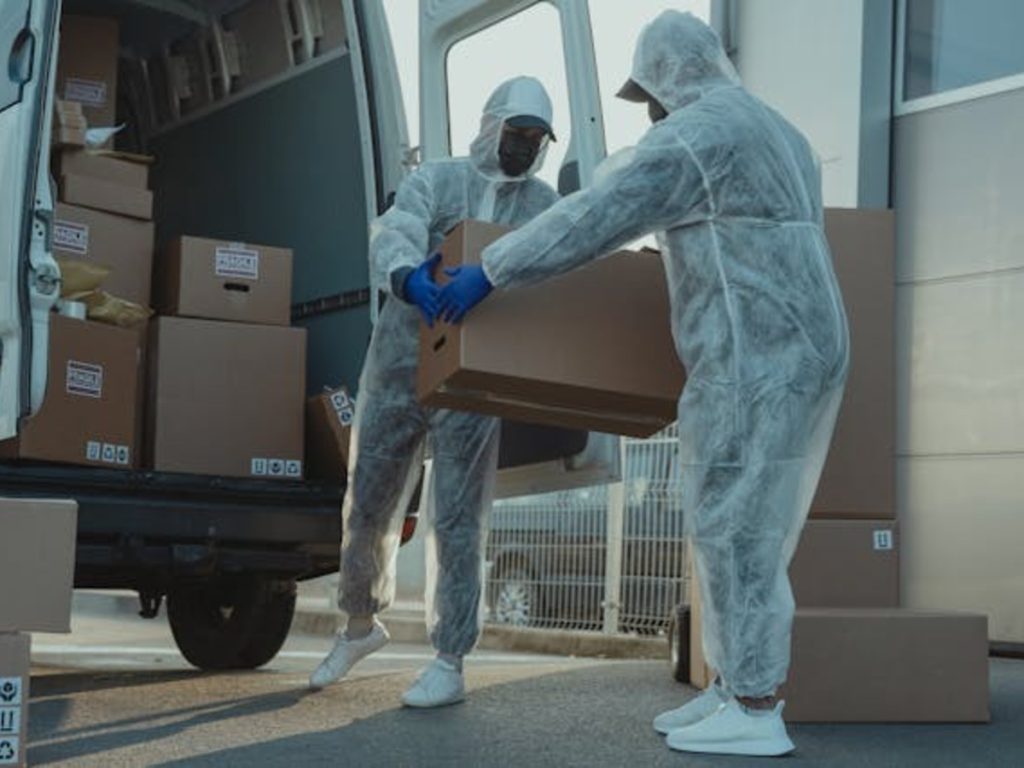
Medical couriers require more than basic driving qualifications.
Training often includes specimen handling protocols, regulatory compliance, and effective communication with healthcare personnel.
Essential skills include:
- Time management
- Attention to detail
- Clear professional communication
- Problem-solving under pressure
Highly effective medical couriers tend to be consistent, methodical, and composed. Reliability outweighs speed alone in healthcare logistics.
Common Misconceptions About Medical Couriers
A common misconception is that medical couriers perform faster versions of standard delivery routes. This characterization is inaccurate.
Medical courier work involves strict timing requirements, regulatory compliance, and detailed documentation. Errors carry greater consequences than in retail or consumer delivery environments.
Healthcare logistics allows minimal margin for error.
How Medical Couriers Impact Healthcare Operations
The value of medical courier services becomes most apparent at the operational level.
Reliable courier services contribute to faster laboratory turnaround times, reduced specimen loss, and improved scheduling efficiency. Clinics experience fewer disruptions, and staff spend less time tracking deliveries or resolving logistical issues.
Well-managed logistics support patient care rather than complicating it.
Who Uses Medical Courier Services?
Medical courier services support a wide range of healthcare organizations, including:
- Hospitals and emergency departments
- Diagnostic and reference laboratories
- Physician offices and specialty clinics
- Pharmacies and compounding centers
- Home healthcare providers
- Research and testing facilities
For many of these organizations, courier services are an integral part of daily operations.
How to Choose the Right Medical Courier Service
Selecting the appropriate medical courier service depends on operational needs, but certain factors consistently matter more than cost alone.
Healthcare delivery experience, reliability, and compliance should take priority. A single delayed or mishandled specimen can result in costs far exceeding any short-term savings.
Key considerations include:
1. Healthcare Delivery Experience
Providers with established experience serving clinics, laboratories, and hospitals are better equipped to align with healthcare workflows and schedules.
2. Compliance and Training
HIPAA standards, chain-of-custody procedures, and biohazard handling must be embedded into operations through consistent training.
3. Real-Time Tracking and Documentation
Accurate timestamps, GPS visibility, and proof of delivery are essential for accountability and operational transparency.
4. Service Area Coverage
Healthcare organizations require courier partners familiar with local routes and facility networks. In Massachusetts, coverage from Boston through Worcester and Springfield is critical.
5. Consistency and Dependability
Healthcare operations do not pause for weekends or holidays. Courier reliability must remain consistent every day.
For organizations seeking a HIPAA-compliant medical courier service in Massachusetts, Allstate Courier Systems provides dependable delivery solutions for clinics, diagnostic laboratories, hospitals, and pharmacies statewide. The company prioritizes punctuality, documentation accuracy, and regulatory compliance to support uninterrupted healthcare operations.
Whether supporting scheduled routes, STAT deliveries, or on-demand requests, Allstate Courier Systems delivers professional service tailored to healthcare logistics across central and eastern Massachusetts.
Frequently Asked Questions
Do medical couriers require specialized training?
Yes. Medical couriers typically receive training related to compliance standards, specimen handling, and secure transport procedures.
How fast are medical courier deliveries?
Delivery timelines vary. STAT deliveries may occur within hours, while scheduled routes follow predefined daily schedules.
What happens if a medical delivery is late?
Late deliveries can delay testing or treatment, making accurate documentation and proactive communication essential.
Are medical couriers HIPAA compliant?
Medical courier services generally follow HIPAA-related handling standards, though compliance depends on company policies and training programs.
Do medical couriers transport blood and laboratory specimens?
Yes. Blood, urine, and tissue specimens are among the most frequently transported materials.
Final Thoughts
So, what does a medical courier do?
A medical courier supports healthcare operations behind the scenes with consistency, accountability, and precision. The role connects clinics, laboratories, hospitals, and pharmacies through structured logistics that protect patient care.
When executed properly, medical courier work remains largely invisible. That reliability is precisely what makes it essential.
For healthcare administrators, understanding this role helps reduce risk, improve efficiency, and select courier partners who align with clinical priorities. Medical courier services may receive attention only when something goes wrong, which underscores their importance when everything goes right.
Also Read: What Is a Medical Courier?